Museum retail management

Museum retail that carries the mission beyond the visit.

RMS Retailers helps museums, aquariums, zoos, historic venues, and destination attractions operate retail experiences that feel connected to the story guests came to see.

Start a conversation

A museum store should be more than the last stop before the exit.

Museum retail management works best when the store is treated as part of the guest experience, not as a separate transaction. The right retail program extends interpretation, supports the institution's mission, strengthens earned revenue, and gives guests a meaningful way to remember what they learned, felt, and shared.

For museum executives and attraction operators, that balance is not simple. A store has to honor the venue's standards while also performing like a disciplined retail business. It needs thoughtful merchandising, dependable inventory management, trained crew members, accurate reporting, vendor coordination, and a financial model that supports the long-term health of the organization.

RMS Retailers was built for that intersection. We help destination attractions create retail environments that belong to the venue, serve the guest, and operate with the structure required to improve performance over time.

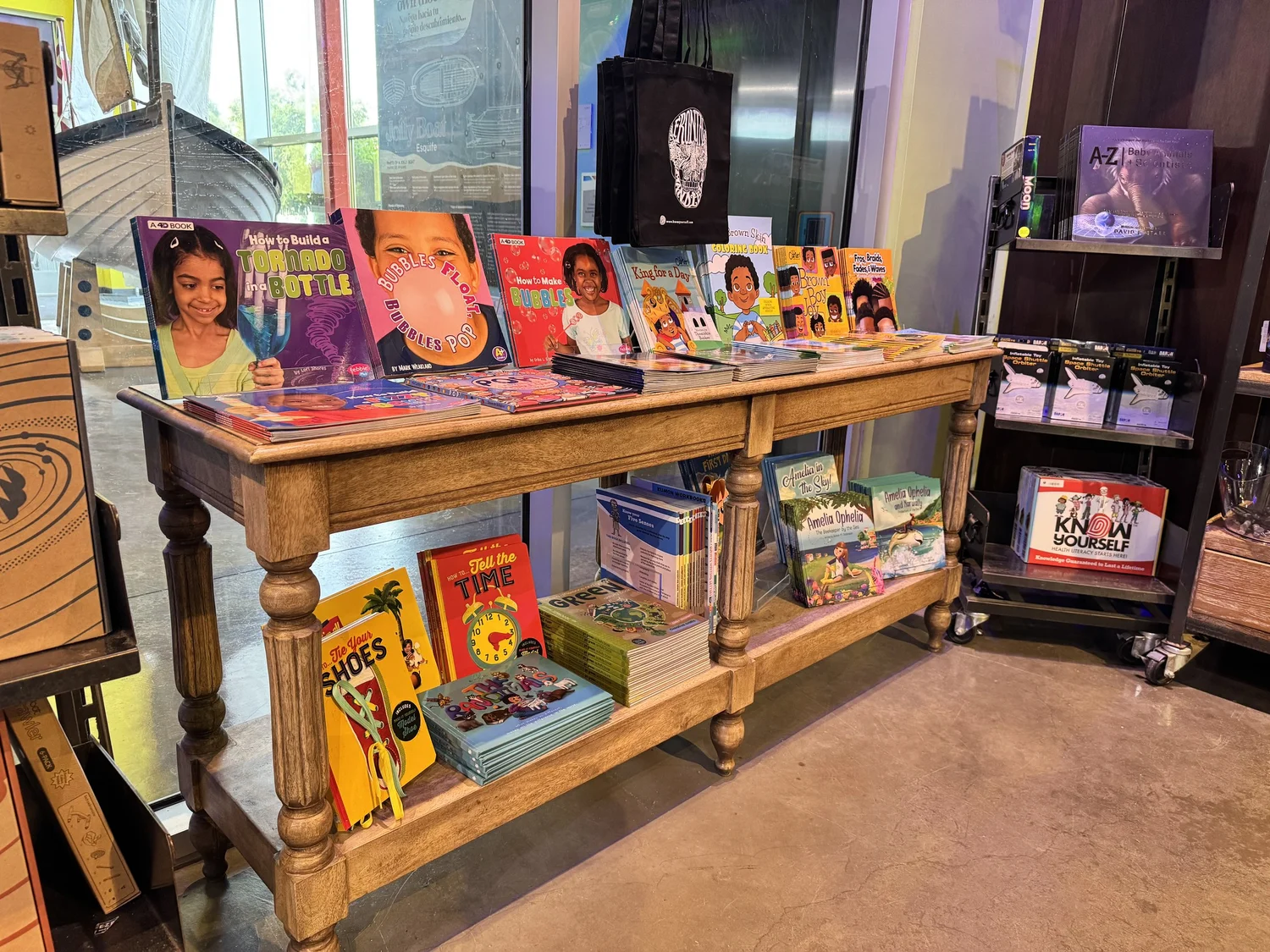
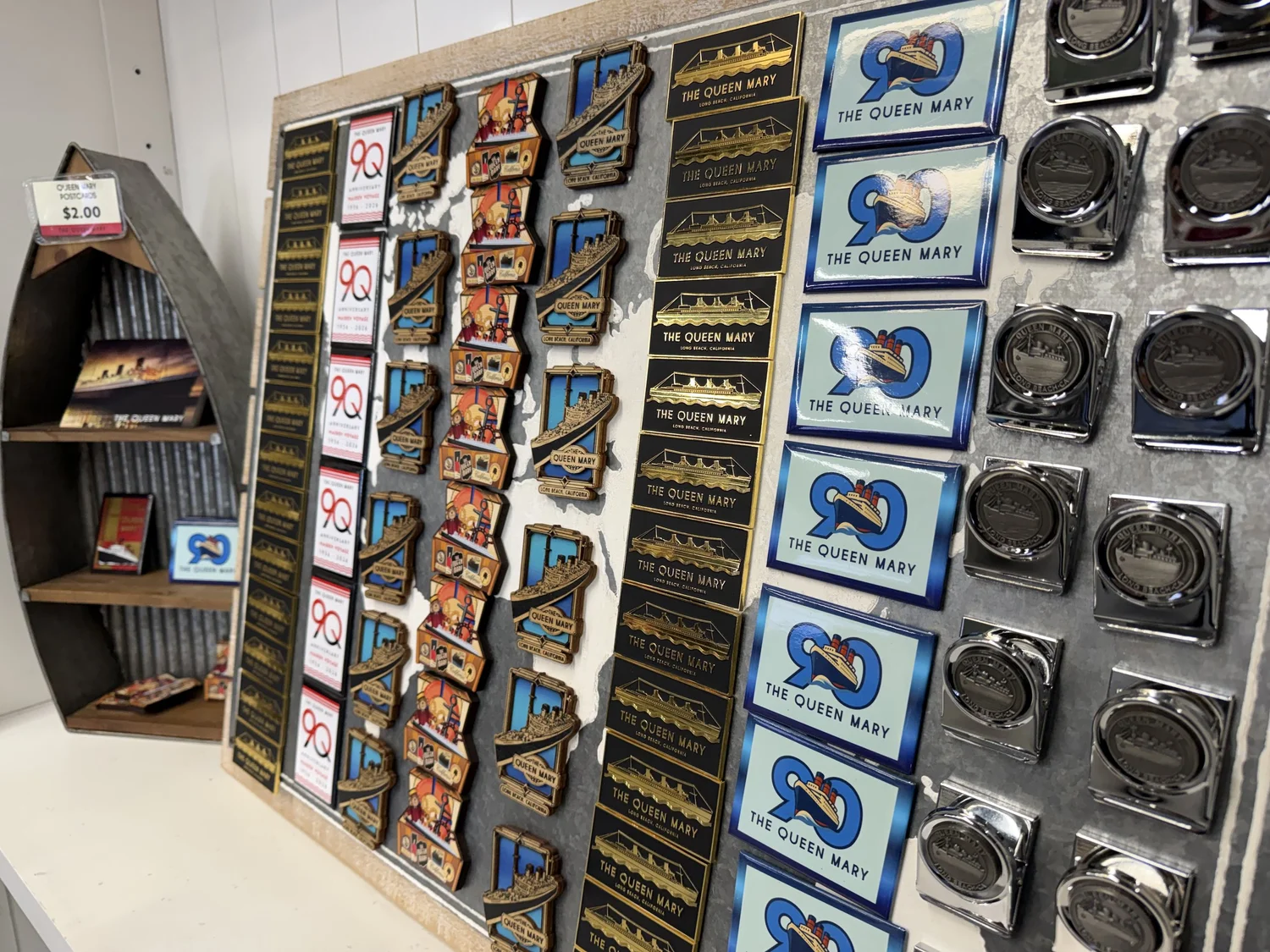
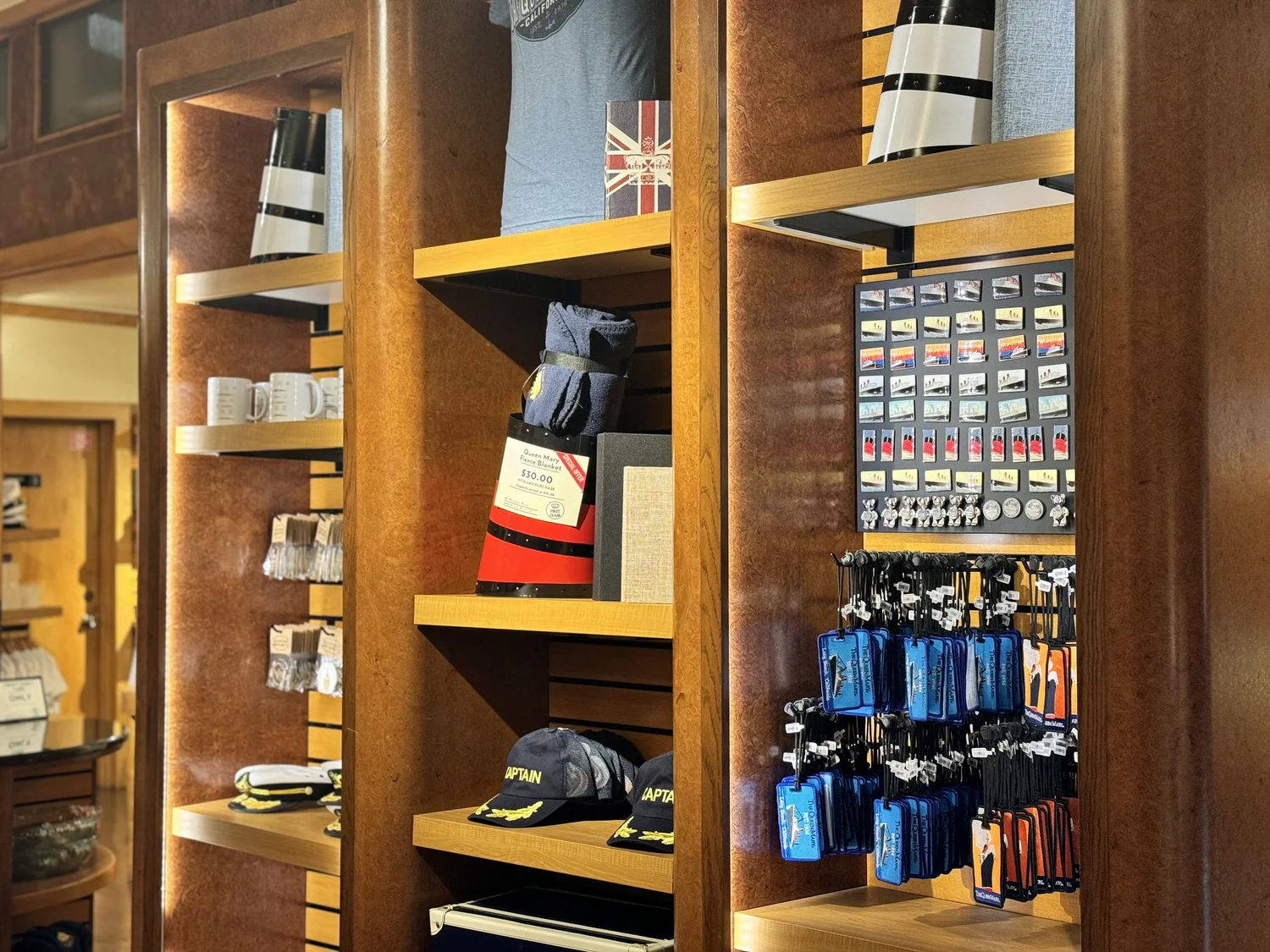
Museum retail management display with curated merchandise Destination retail merchandise arranged for guest discovery Gift shop operations display inside a destination attraction

Built for destination attractions

Retail should reflect the venue, not dilute it.

Museums, historic venues, aquariums, zoos, and destination attractions carry stories that matter. Guests arrive with curiosity. They leave with memories. A well-managed retail program gives those memories a physical form without turning the experience into something generic.

That is why RMS approaches museum gift shop operations through the lens of mission alignment. Product selection, fixture placement, staff training, signage, replenishment, and sales goals all have to support the same idea: the store should feel like a natural continuation of the attraction.

When retail is disconnected from the venue, guests can feel it. The assortment feels interchangeable. The crew lacks product knowledge. Displays drift away from the story. Inventory ties up cash in the wrong places. Revenue may still happen, but the store misses its larger opportunity. RMS helps bring those pieces back into alignment.

Gift shop operations need both creativity and control.

Successful museum retail management depends on daily discipline. The most beautiful assortment will underperform if receiving is inconsistent, inventory is inaccurate, or the sales floor is not maintained. At the same time, the most efficient operation will feel flat if merchandising does not connect with the guest experience.

RMS Retailers brings both sides together. We look at the store as an operating system: people, product, presentation, process, and performance. Each part affects the others. Better inventory practices improve buying decisions. Better training improves conversion. Better merchandising improves dwell time and basket size. Better reporting helps leadership see what is working before the season is over.

That operating system matters because museum stores rarely have a single kind of shopper. A family leaving an exhibit, a member returning for a program, a donor looking for a thoughtful gift, a school group moving quickly through the building, and a tourist visiting once may all enter the same store with different expectations. Strong museum retail management gives the team a way to serve those moments without losing consistency. The store can feel personal to the guest while still following standards for replenishment, presentation, service, and sales-floor decision-making.

That clarity is especially valuable when leadership needs the store to serve education, experience, and earned revenue at the same time.

Museum gift shop operations

Gift shop operations require routines that are clear enough for daily use and flexible enough for a live attraction environment. RMS helps define store standards, opening and closing expectations, receiving procedures, replenishment cadence, register practices, communication rhythms, and management checkpoints.

For museums and historic venues, operational consistency is especially important because retail often has to work within unique buildings, seasonal traffic patterns, special events, exhibit calendars, and donor or stakeholder expectations. We build practical systems that respect those realities while keeping the store accountable.

Inventory management

Inventory is one of the clearest places where retail either supports the mission or strains it. Too much of the wrong product ties up dollars and space. Too little of the right product costs revenue and guest satisfaction. RMS helps attractions improve inventory visibility, receiving accuracy, category structure, replenishment planning, cycle count habits, and sell-through analysis.

Our goal is not just cleaner numbers. It is better decision-making. When leaders can see what is moving, what is aging, what supports the venue story, and what should be retired, the retail program becomes easier to manage and easier to grow.

Retail training

Guest-centered retail depends on crew members who understand both service and story. Training should prepare the team to welcome guests, explain merchandise, maintain presentation standards, handle common questions, and connect products back to the venue experience without pressure or scripts that feel forced.

RMS develops retail training that fits the environment. A museum store, aquarium shop, zoo marketplace, or historic venue retail space each has its own pace and guest expectations. We help teams build confidence, product knowledge, and consistent habits so the store experience feels informed, warm, and professional.

Merchandising and store experience

Merchandising is where strategy becomes visible. The assortment has to make sense to the guest quickly: what belongs to the current exhibit, what reflects the institution's identity, what works as a gift, what is collectible, what is educational, and what feels specific enough to be worth taking home.

RMS supports product storytelling, fixture strategy, visual hierarchy, seasonal resets, focal displays, signage direction, and guest flow. The aim is a store that is easy to shop, easy to replenish, and clearly connected to the attraction. Strong merchandising should lift financial performance while making the venue's story easier to carry home.

Financial performance

Retail performance is not only about top-line sales. Museum executives and attraction operators need to understand margin, inventory productivity, labor alignment, average transaction value, conversion opportunities, markdown exposure, category performance, and cash tied up in slow-moving goods.

RMS helps connect daily retail behavior to financial outcomes. Reporting should be useful, not decorative. We focus on the numbers that help leaders make timely decisions: what to reorder, what to feature, where training is needed, how traffic patterns are affecting sales, and where the store can improve without compromising the guest experience.

Destination retail strategy

Destination retail is different from ordinary retail because the visit has context. Guests are responding to a place, a story, a collection, an animal encounter, a landmark, a performance, or a piece of history. The store should understand that emotional context and give guests merchandise that feels relevant to the moment.

RMS helps attractions move beyond generic souvenir thinking. For historic venue retail, museum retail management, zoo and aquarium shops, and other destination attractions, the strongest retail programs are built around specificity. They give guests a reason to browse, a reason to ask questions, and a reason to purchase something that keeps the experience alive.

A partner for leaders who need retail to work harder.

RMS Retailers works with institutions that care about both mission and performance. We understand that museum retail management has to satisfy multiple audiences: guests, executives, board members, operations teams, finance leaders, curators, educators, and front-line crew members.

The work succeeds when every audience can recognize the same promise: a store that is useful, memorable, financially clear, and true to the place it represents.

That is why our work starts with listening. We look at the venue, the guest path, the product mix, the team structure, the reporting, the operational pressure points, and the financial goals. Then we help shape a retail program that is practical enough to run every day and thoughtful enough to feel like it belongs.

For museums and historic venues

We help retail programs respect the integrity of the institution while improving store performance. That can include assortment planning, interpretive product opportunities, training standards, inventory controls, and leadership routines that make the store easier to manage.

For aquariums, zoos, and attractions

We help teams respond to traffic flow, seasonality, family shopping behavior, mission-based storytelling, and fast-moving operational needs. The store becomes part of the attraction's rhythm instead of a separate retail island.

For executives and operators

We bring structure to the work behind the sales floor: clearer expectations, better data, stronger training, and a sharper connection between guest experience and financial performance.

01

More meaningful guest connections

Retail becomes an extension of the visit, giving guests a way to remember the story and share it beyond the venue.

02

Better operational confidence

Teams gain clearer routines for inventory, merchandising, service, reporting, and daily store leadership.

03

Stronger financial clarity

Leadership can see how product, presentation, training, and traffic shape retail performance.

Plan the next chapter of your store

Build a museum retail program that serves the mission and the margin.

Whether you operate a museum, aquarium, zoo, historic venue, or destination attraction, RMS Retailers can help turn your store into a more intentional, guest-centered retail experience.

Talk with RMS Retailers